
Editing for the Forces of Good
By R.C. Murphy
You’ve finished the first draft of your book. The pages zip out of your printer and you make a pile in the center of your office to dance around in a fit of pure joy. Nothing, nothing can bring you down off of Cloud Nine. In that moment, you are convinced nothing so brilliant has ever been put to paper. It is a wonderful feeling . . . until you send your brilliant manuscript to an editor and they hack your baby to pieces and feed it to the wolves.
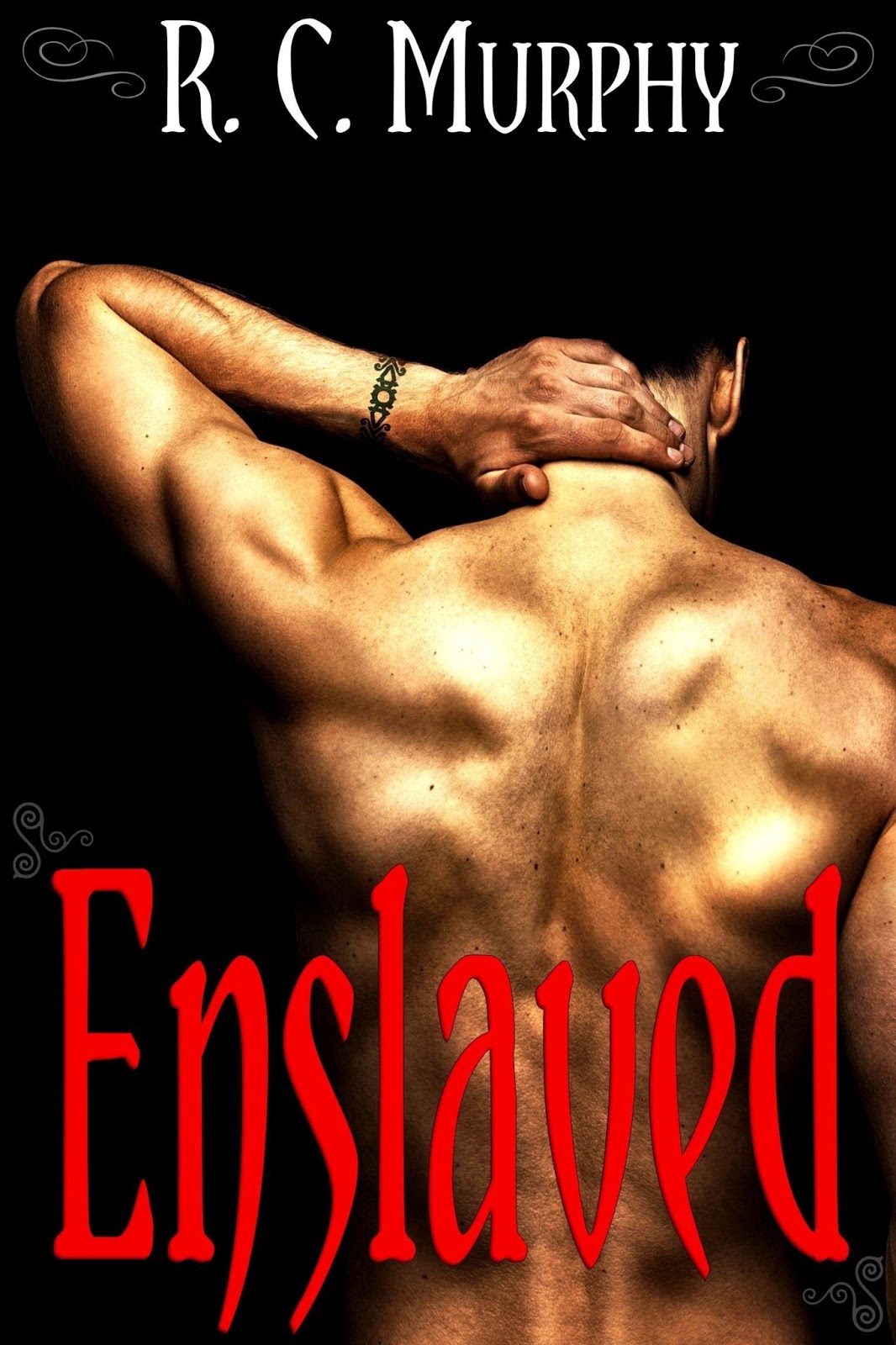
Okay, I’m exaggerating a little. But in the heat of the moment, it feels like you’re watching someone rain all over your hard work.None of us are perfect. I have an amazing editor who I’ve worked with on my last two releases. Despite my newest book, Enslaved, having a pretty clean manuscript (her words, not mine), things popped up during editing I couldn’t fathom being there in the first place.
For instance, a mysterious tense change from past to present at random intervals starting halfway through the book. Despite all my complaints, (Word must have changed it after being swapped from .doc to .docx, aliens abducted the manuscript to make me look silly, demons ate the proper words!) I knew it was my fault. I got caught up in the heat of creating new, exciting words and went on automatic while writing. It happens. We aren’t gods, even though we are responsible for creating whole new worlds and universes.
Going through the editing process also gives you a chance to run your newborn manuscript past another set of eyes. The editor can’t read your mind and must rely on what is on the page to tell the story. If there is a weird gap in the action or a character veers too far from where you’ve established, there is someone there to wave a flag and say, “Yo, wait! This doesn’t make a lick of sense.”
Editing has been cast as the bane of a writer’s existence. However, I’ve used each round through the editing wringer as a learning experience. Each time I come out with more information to help me write the next manuscript cleanly. A clean MS means less time in post-production before publishing (if you are self-publishing or going through a small press publisher). Basically I’m telling you to suck it up, listen to a professional editor (or read the heck out of editing guides), and become nice and friendly with the editing process. It would be a shame to spend months, years on a book just to have it ripped apart by readers due to simple fixes you could have fixed by taking just a little more time and editing it thoroughly.
My favorite editing tip? If your dialog is a constant problem, read it out loud. Each character should have a different rhythm to how they speak. Hearing it will allow you to tweak the dialog to fit the character. Also, you’ll sound crazy. But hey, most writers are anyway, right?
 Author Missy Jane